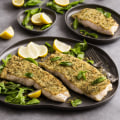
Grilling fish can be a delightful culinary experience, but it often comes with its own set of challenges. One of the most common issues home cooks face is sticking to the grill. This not only makes the cooking process frustrating but can also ruin the presentation of your beautifully prepared fish. Understanding the basics of grilling fish is essential for anyone looking to master this technique and enjoy delicious, flaky results. When it comes to fish recipes, the type of fish you choose can significantly impact your grilling success.
Some fish, like salmon and tuna, are naturally oily and tend to hold up better on the grill, while others, such as tilapia or sole, are more delicate and prone to falling apart. Knowing how to select the right fish and prepare it properly is crucial for achieving that perfect grilled flavor without the mess. Moreover, the method you use to grill your fish plays a vital role in preventing sticking. Factors such as grill temperature, oiling techniques, and even the choice of grill surface can make a significant difference. In this article, we will explore various tips and tricks that will help you navigate these challenges, ensuring that your next grilling session is not only successful but also enjoyable.
Choosing the Right Fish for Grilling
When it comes to grilling fish, choosing the right type of fish is crucial for achieving that perfect flavor and texture.Not all fish are created equal, and some are better suited for the grill than others. Here are some of the best options:
- Salmon: Known for its rich flavor and firm texture, salmon holds up well on the grill. Its natural oils help prevent sticking, making it a favorite among fish recipes.
- Tuna: With its meaty texture, tuna steaks are ideal for grilling. They can be cooked to varying degrees of doneness, allowing for versatility in preparation.
- Mahi-Mahi: This tropical fish has a mild flavor and a firm texture that makes it perfect for grilling.
It pairs well with various marinades and seasonings.
- Trout: A delicate fish that can be grilled whole or in fillets. Its subtle flavor is enhanced by grilling, especially when stuffed with herbs and lemon.
- Swordfish: Another meaty option, swordfish steaks are thick and can withstand high heat without falling apart.
- Freshness: Always opt for the freshest fish available. Look for clear eyes, bright red gills, and a clean smell.
- Thickness: Thicker cuts of fish are less likely to stick to the grill and can handle longer cooking times.
- Skin-on vs. Skinless: Fish with skin can help protect the flesh from direct heat and sticking.
If you prefer skinless fillets, be sure to oil the grill grates well.
Preparing Your Fish: Marinades and Seasonings
When it comes to grilling fish, the right preparation can make all the difference in flavor and texture. One of the most effective ways to enhance your fish recipes while preventing sticking is through the use of marinades and seasonings.Choosing the Right Marinade
A good marinade not only infuses your fish with flavor but also creates a barrier that helps prevent it from sticking to the grill. Here are some key components to consider:- Acid: Ingredients like lemon juice, vinegar, or yogurt help tenderize the fish and add brightness.
- Oil: A high-quality oil, such as olive oil or sesame oil, coats the fish and reduces friction on the grill.
- Herbs and Spices: Fresh herbs like dill, parsley, or cilantro, along with spices such as paprika or cumin, can elevate the flavor profile.
Simple Marinade Recipe
For a quick and effective marinade, combine:- 1/4 cup olive oil
- 2 tablespoons lemon juice
- 2 cloves minced garlic
- 1 tablespoon chopped fresh herbs (like parsley or dill)
- Salt and pepper to taste
Seasoning Your Fish
If you prefer not to marinate, seasoning is another excellent way to prepare your fish.A simple sprinkle of salt and pepper can go a long way. For more complexity, consider:
- Citrus Zest: Adding zest from lemons or limes can brighten up the dish.
- Spice Blends: Use pre-made spice blends designed for seafood to save time while ensuring a delicious outcome.
Essential Grilling Techniques to Prevent Sticking
Grilling fish can be a delightful experience, but one of the most common challenges is preventing it from sticking to the grill. Here are some essential techniques to ensure your fish comes off the grill perfectly every time.- Preheat the Grill: Always start by preheating your grill. A hot grill creates a sear on the fish, which helps to form a crust that prevents sticking.
Aim for a temperature of around 400°F to 450°F.
- Oil the Grates: Before placing your fish on the grill, make sure to oil the grates. Use a high smoke point oil, such as canola or grapeseed oil. You can apply the oil using a paper towel or a brush, ensuring an even coating across the grates.
- Choose the Right Fish: Some fish are more prone to sticking than others. Opt for firmer varieties like salmon, tuna, or swordfish, which hold up better on the grill compared to delicate fish like flounder or sole.
- Use a Fish Basket or Foil: If you're worried about sticking, consider using a fish basket or wrapping your fish in aluminum foil.
This not only prevents sticking but also makes flipping easier.
- Don’t Move It Too Soon: Once you place your fish on the grill, resist the urge to move it around. Allow it to cook undisturbed for several minutes until it naturally releases from the grates. This usually takes about 3-5 minutes depending on the thickness of the fillet.
- Monitor Cooking Time: Keep an eye on cooking times and use a meat thermometer to check for doneness. Fish is typically done when it reaches an internal temperature of 145°F and flakes easily with a fork.
The Role of Grill Types: Charcoal vs.
Gas vs. ElectricWhen it comes to cooking fish recipes on the grill, the type of grill you choose can significantly impact the outcome, particularly in terms of preventing sticking. Each grill type—charcoal, gas, and electric—offers unique advantages and challenges.
Charcoal Grill Fish
Charcoal grills are known for imparting a rich, smoky flavor to fish. However, they can also pose a sticking risk if not managed properly.To minimize this:
- Preheat the grill: Ensure your charcoal is fully ashed over before placing the fish on the grates.
- Oil the grates: Use a high smoke point oil to coat the grates before grilling. This creates a barrier between the fish and the grill.
- Use a fish basket: Consider using a grilling basket designed for fish to keep it intact while cooking.
Gas Grill Fish Recipes
Gas grills offer convenience and precise temperature control, making them ideal for cooking delicate fish. To prevent sticking on a gas grill:- Clean the grates: A clean surface is crucial. Scrub the grates with a grill brush before preheating.
- Use foil or parchment paper: For particularly sticky fish, wrapping it in foil or placing it on parchment paper can help.
- Control the heat: Avoid high flames that can cause fish to stick; medium heat is often best for even cooking.
Electric Grill Tips
Electric grills are perfect for indoor grilling and can also yield great results with fish.Here are some tips to ensure your fish doesn’t stick:
- Preheat adequately: Just like other grills, preheating is essential for electric grills to create a non-stick surface.
- Use non-stick spray: A light coating of non-stick spray can help prevent sticking without adding extra fat.
- Select appropriate fish: Choose firmer varieties like salmon or swordfish that are less likely to fall apart during cooking.
Common Mistakes When Grilling Fish and How to Avoid Them
Grilling fish can be a delightful experience, but several common mistakes can lead to frustration, especially when it comes to sticking. Understanding these pitfalls and how to avoid them is essential for achieving perfectly grilled fish.1.Not Preheating the Grill
One of the most frequent errors is failing to preheat the grill adequately. A hot grill creates a sear that helps prevent sticking. Aim for a temperature of around 400°F to 450°F before placing your fish on the grates.2.Skipping the Oil
Another mistake is neglecting to oil both the grill grates and the fish itself.Use a high smoke point oil, such as canola or grapeseed oil, to coat the fish lightly. This not only adds flavor but also creates a barrier that reduces sticking.
3.Using the Wrong Type of Fish
Certain types of fish are more prone to sticking than others. For example, delicate fish like flounder or tilapia can easily fall apart on the grill. Opt for firmer varieties such as salmon or swordfish, which hold up better during cooking.4.Moving the Fish Too Soon
Patience is key when grilling fish.If you try to flip or move it too early, it will likely stick to the grill. Allow the fish to cook undisturbed until it naturally releases from the grates, usually around 4-5 minutes per side depending on thickness.
5.Overcrowding the Grill
Overcrowding can lead to uneven cooking and increased chances of sticking. Ensure there’s enough space between each piece of fish to allow for proper airflow and heat distribution.By avoiding these common grilling errors, you can significantly improve your chances of achieving perfectly grilled fish that doesn’t stick to the grill. With practice and attention to detail, you’ll be able to enjoy delicious fish recipes without the hassle of cleanup or frustration.FAQs About Grilling Fish Without Sticking
Grilling fish can be a delightful experience, but many home cooks worry about the fish sticking to the grill.Here are some frequently asked questions that can help you achieve perfectly grilled fish without the hassle of it sticking.
What type of fish is best for grilling?
When it comes to fish recipes, choosing the right type of fish is crucial. Firm fish like salmon, tuna, and swordfish are ideal for grilling because they hold their shape well and are less likely to fall apart. Delicate fish such as tilapia or flounder can also be grilled, but they require more care and often benefit from being cooked on a grill basket or foil.How do I prepare the grill to prevent sticking?
- Preheat your grill: Always preheat your grill for at least 10-15 minutes before placing the fish on it. A hot grill helps create a sear that prevents sticking.
- Oil the grill grates: Use a paper towel soaked in oil and tongs to wipe down the grates.
This creates a non-stick surface.
- Use a marinade: Marinating your fish not only adds flavor but also creates a barrier that helps prevent sticking.
Should I use skin-on or skinless fish?
Using skin-on fish can significantly reduce the chances of sticking. The skin acts as a protective layer, allowing you to flip the fish easily without it falling apart. If you prefer skinless, consider using a grill basket or aluminum foil to keep the fish intact.What temperature should I grill fish at?
The ideal grilling temperature for fish is around 400°F to 450°F. This high heat allows for quick cooking while ensuring that the outside gets crispy without overcooking the inside.How do I know when my fish is done?
A good rule of thumb is to cook fish for about 8-10 minutes per inch of thickness.You can also check for doneness by using a fork; if it flakes easily and is opaque throughout, it's ready to be taken off the grill.By following these tips and addressing common concerns, you can enjoy delicious grilled fish without the frustration of it sticking to the grill.
Conclusion: Perfecting Your Grilled Fish Recipe
In conclusion, achieving perfectly grilled fish without it sticking to the grill is a combination of preparation, technique, and a little patience. By following the steps outlined in this article, you can elevate your fish recipes to new heights, ensuring a delicious and hassle-free grilling experience.To recap, here are the essential tips to keep in mind:- Choose the Right Fish: Opt for firm, oily fish like salmon or mackerel that are less likely to fall apart on the grill.
- Preheat Your Grill: Ensure your grill is hot before placing the fish on it. This helps create a sear that prevents sticking.
- Use Oil Generously: Coat both the grill grates and the fish with oil to create a barrier that reduces sticking.
- Utilize a Fish Basket or Foil: For added security, consider using a fish basket or wrapping your fish in foil to keep it intact while cooking.
- Let It Cook: Avoid the temptation to flip the fish too soon. Allow it to cook undisturbed until it naturally releases from the grill.
Remember, practice makes perfect; don’t be discouraged by initial setbacks. With time and experience, you’ll master the art of grilling fish and impress your family and friends with your culinary skills.So fire up that grill, experiment with different fish recipes, and savor the delightful flavors of perfectly grilled fish!.