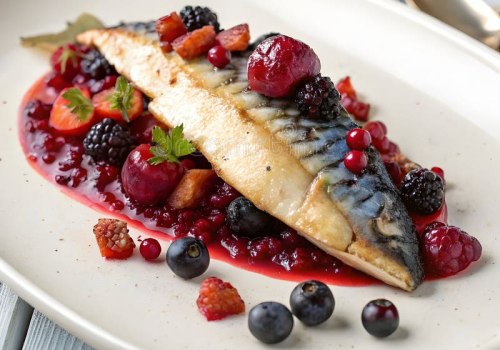
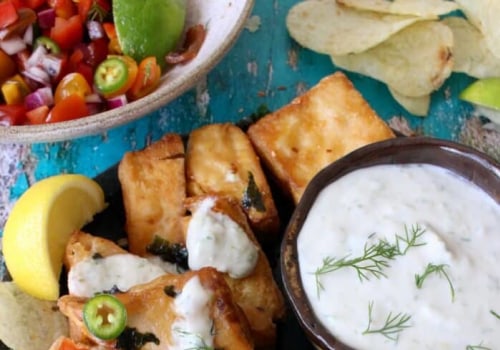
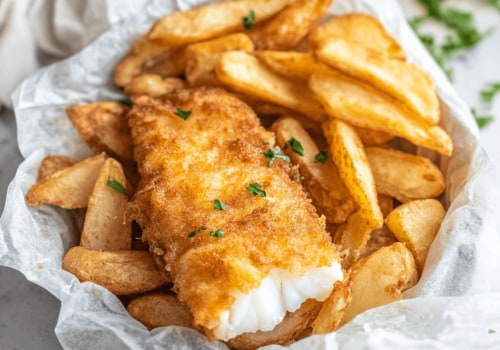
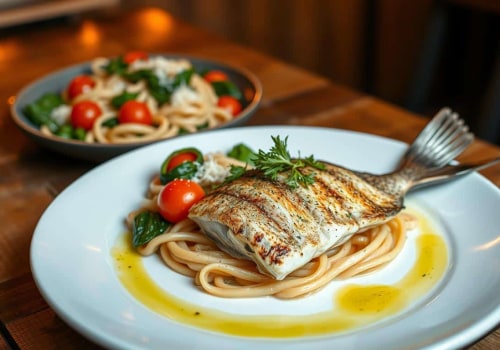
Fish and chips is more than just a meal; it is a culinary icon that has become synonymous with British culture. Originating in the United Kingdom during the 19th century, this dish combines the crispy, golden-battered fish with thick-cut chips, creating a delightful contrast of textures and flavors. The history of fish and chips is rich, with roots tracing back to Jewish immigrants who brought fried fish recipes to England, while the concept of fried potatoes was popularized in the North of England. Together, they formed a dish that quickly became a staple for working-class families and a beloved takeaway option. As you delve into the world of classic fish recipes, you'll discover that fish and chips is not just about the ingredients but also about the tradition and community surrounding it.
Many families have their own cherished recipes passed down through generations, each adding a unique twist to this timeless dish. Whether it's the choice of fish—such as cod or haddock—or the secret blend of spices in the batter, every variation tells a story of its own. This article will explore some of the most popular and authentic British fish and chips recipes, showcasing how this simple yet satisfying dish has evolved over time while remaining a beloved part of British cuisine. From seaside fish and chip shops to home kitchens, the allure of perfectly cooked fish paired with crispy chips continues to captivate taste buds around the world. Join us as we celebrate this iconic dish and uncover the secrets behind making the perfect fish and chips at home.
The History of Fish and Chips
The origins of fish and chips can be traced back to the 19th century in the United Kingdom, where it emerged as a popular dish among the working class.The combination of fried fish and deep-fried potatoes became a staple due to its affordability and satisfying nature. While the exact origins are debated, it is widely believed that the practice of frying fish was brought to Britain by Jewish immigrants from Portugal and Spain, who had been frying fish in batter for centuries.Meanwhile, the concept of fried potatoes can be linked to Belgium, where they were first served as a side dish. The two elements came together in the UK, particularly during the Industrial Revolution, when many people sought quick and filling meals that could be easily consumed on the go.By the late 19th century, fish and chips shops began to appear across Britain, with the first recorded establishment opening in London in 1860. These shops quickly became a vital part of British culture, providing a cheap meal option for workers and families alike.
The dish gained further popularity during World War I when it was one of the few foods not rationed.As time progressed, fish and chips evolved into a national dish, symbolizing British culinary tradition. The classic recipe typically features cod or haddock, coated in a light batter and fried until golden brown, served alongside thick-cut chips. Variations have emerged over the years, with some regions favoring different types of fish or unique seasonings.Today, fish and chips remain a beloved comfort food in Britain and beyond, often enjoyed with a side of mushy peas or tartar sauce. Its enduring popularity speaks to its roots in British food history and its ability to adapt while retaining its core essence.
Classic Fish Recipes for Fish and Chips
When it comes to traditional fish and chips, the choice of fish is crucial for achieving that perfect balance of flavor and texture.Here are some classic fish recipes that have stood the test of time.
1.Cod
Cod is perhaps the most popular choice for fish and chips. Its mild flavor and flaky texture make it ideal for frying. Here’s a simple recipe:- Ingredients: 4 pieces of cod fillets, 1 cup of all-purpose flour, 1 cup of cold sparkling water, salt, and pepper.
- Instructions:
- In a bowl, mix the flour with a pinch of salt and pepper.
- Add the cold sparkling water gradually until you achieve a smooth batter.
- Dip each cod fillet into the batter, ensuring it’s fully coated.
- Fry in hot oil (about 350°F) until golden brown, approximately 4-5 minutes per side.
2.Haddock
Another classic option is haddock, known for its slightly stronger flavor compared to cod. Here’s how to prepare it:- Ingredients: 4 haddock fillets, 1 cup of beer (lager works best), 1 cup of flour, salt, and pepper.
- Instructions:
- Combine flour with salt and pepper in a bowl.
- Add beer to the mixture to create a thick batter.
- Dip the haddock fillets into the batter before frying in hot oil until crispy.
3.Other Popular Options
If you want to explore beyond cod and haddock, consider these alternatives:- Plaice: A flatfish with a delicate flavor that fries beautifully.
- Sole: Known for its mild taste and tender texture, perfect for a lighter option.
- Pike Perch: Offers a slightly sweet flavor and firm flesh that holds up well during frying.
Perfecting the Batter: Techniques and Tips
Achieving the perfect batter for your fish is essential for a classic British fish and chips experience.A well-made batter not only enhances the flavor but also provides that coveted crispy texture. Here are some techniques and tips to help you master your fish batter recipe.
Basic Batter Recipe
- Ingredients: 1 cup all-purpose flour, 1 teaspoon baking powder, 1 cup cold sparkling water, and a pinch of salt.
- Instructions: In a mixing bowl, combine the flour, baking powder, and salt. Gradually whisk in the cold sparkling water until you achieve a smooth consistency. Let it rest for about 30 minutes before using.
Tips for Making Batter
- Use Cold Ingredients: Cold water or beer helps create a lighter batter.
The temperature difference causes steam to form during frying, resulting in a fluffier texture.
- Add Cornstarch: Mixing in cornstarch with your flour can enhance the crispiness of the batter.
- Season Well: Don’t forget to season your batter with salt and pepper. You can also experiment with spices like paprika or cayenne for an extra kick.
Frying Techniques
The frying process is just as important as the batter itself. Here are some key techniques:- Oil Temperature: Ensure your oil is hot enough (around 350°F to 375°F) before adding the battered fish. This prevents the batter from absorbing too much oil and becoming soggy.
- Don’t Overcrowd: Fry in small batches to maintain the oil temperature and ensure even cooking.
- Drain Properly: After frying, place the fish on a wire rack or paper towels to drain excess oil, keeping the batter crispy.
Side Dishes to Complement Fish and Chips
When it comes to enjoying fish and chips, the right side dishes can elevate this classic British meal to new heights.Here are some traditional accompaniments that perfectly complement the crispy fish and golden chips.
- Mushy Peas: A quintessential side, mushy peas are made from marrowfat peas that are soaked overnight and then cooked until soft. They are often seasoned with a bit of salt and pepper, providing a creamy texture that balances the crunch of the fish.
- Tartar Sauce: This tangy condiment is a must-have for any fish dish. Typically made from mayonnaise, chopped pickles, capers, and lemon juice, tartar sauce adds a zesty flavor that enhances the taste of the fish.
- Pickled Onions: For those who enjoy a bit of acidity, pickled onions offer a sharp contrast to the richness of fried fish. Their crunchy texture and tangy flavor make them an excellent addition to your plate.
- Coleslaw: A refreshing side, coleslaw made from shredded cabbage and carrots mixed with a creamy dressing can provide a nice crunch and balance out the heaviness of the fried components.
- French Fries: While chips are already part of the dish, some people enjoy adding an extra serving of French fries, especially if they are seasoned with malt vinegar or sea salt for added flavor.
Whether you prefer the smoothness of mushy peas or the tanginess of tartar sauce, these accompaniments will surely make your fish recipes even more delightful.
Variations on the Classic Recipe
While traditional fish and chips hold a special place in British cuisine, modern chefs and home cooks alike have embraced creativity, leading to exciting variations on this classic dish. Here are some popular twists that elevate the standard recipe.Alternative Fish Choices
Instead of the usual cod or haddock, consider using pollock, sardines, or even salmon. Each type of fish brings its own unique flavor and texture:- Pollock: A mild flavor that pairs well with crispy batter.
- Sardines: Rich in omega-3 fatty acids, these can be grilled or fried for a different taste experience.
- Salmon: Offers a richer flavor and can be served with a lemon-dill sauce for a gourmet touch.
Unique Batter Variations
The batter is crucial to achieving that perfect crunch. Experimenting with different ingredients can yield delightful results:- Beer Batter: Using craft beer adds depth and a slight sweetness to the batter.
- Coconut Batter: Incorporating shredded coconut gives a tropical twist and a hint of sweetness.
- Spiced Batter: Adding spices like paprika or cayenne pepper can introduce a kick to the traditional flavor.
Creative Accompaniments
No longer limited to just malt vinegar, the sides served with fish and chips have also evolved.Consider these modern accompaniments:
- Chili Lime Sauce: A zesty dip that complements the fish beautifully.
- Tartare Sauce Variations: Try adding capers or dill pickles for an extra punch.
- Salsa Verde: This herbaceous sauce adds freshness and brightness to the dish.
Frequently Asked Questions about Fish Recipes
When it comes to fish recipes, many home cooks have questions about preparation, cooking times, and ingredient substitutions. Here are some frequently asked questions that can help you master the art of cooking fish and chips and other delightful fish dishes.What is the best type of fish for fish and chips?
The classic choice for fish and chips is cod , known for its mild flavor and flaky texture. However, haddock is also a popular alternative.Both types of fish hold up well during frying, making them ideal for this dish.
How do I store leftover fish?
- Allow the cooked fish to cool to room temperature.
- Wrap it tightly in plastic wrap or aluminum foil.
- Store it in an airtight container in the refrigerator for up to 2 days.
What are some cooking tips for perfect fried fish?
- Temperature: Ensure your oil is hot enough (around 350°F) before adding the fish. This helps achieve a crispy exterior.
- Batter: A light batter made from flour, cornstarch, and cold sparkling water can create a delightful crunch.
- Don’t overcrowd: Fry in small batches to maintain oil temperature and ensure even cooking.
Can I substitute fresh fish with frozen fish?
Yes, you can use frozen fish for your recipes. Just make sure to thaw it completely before cooking.Pat it dry with paper towels to remove excess moisture, which can affect the batter's crispiness.
How long should I cook fish?
The general rule of thumb is to cook fish for about 8-10 minutes per inch of thickness. For fried fish, look for a golden-brown color and an internal temperature of 145°F to ensure it's fully cooked.By addressing these common questions, you can enhance your skills in preparing delicious fish recipes, ensuring that your next meal is both satisfying and flavorful.Conclusion: Enjoying Your Homemade Fish and Chips
In conclusion, homemade fish and chips offer a delightful way to experience a classic British dish right in your own kitchen. By exploring various fish recipes, you can customize your meal to suit your taste preferences while ensuring freshness and quality.Throughout this article, we’ve discussed the essential components of preparing this iconic dish, from selecting the right type of fish—such as cod or haddock—to mastering the perfect batter. Remember, the key to achieving that crispy texture lies in using cold water and a light touch when mixing your batter.Additionally, the choice of potatoes plays a crucial role in creating the ideal chips.Opt for starchy varieties like Maris Piper or Russet for a fluffy interior and crispy exterior. Don’t forget to double-fry your chips for that extra crunch!Here are a few tips to enhance your homemade fish and chips experience:
- Experiment with seasonings: Add herbs or spices to your batter for a unique twist.
- Try different cooking methods: While deep-frying is traditional, consider baking or air-frying for a healthier option.
- Pair with homemade tartar sauce: A simple mix of mayonnaise, pickles, and lemon juice can elevate your dish.