In recent years, gluten-free cooking has gained significant attention, particularly among those with gluten sensitivities or celiac disease. For these individuals, consuming gluten—a protein found in wheat, barley, and rye—can lead to serious health issues. As a result, adopting a gluten-free diet is not just a trend; it’s a necessary lifestyle change that can greatly improve one’s quality of life. Additionally, incorporating practices like scalp massage can enhance overall well-being, making it easier to focus on the fundamentals of gluten-free cooking and create delicious meals without compromising health.
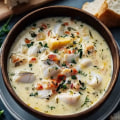
One such delightful option worth considering is fish maw soup, which offers a unique flavor profile and nutritional benefits. Exploring the Deliciousness of Fish Maw in various dishes can elevate your culinary experience. One of the most appealing aspects of gluten-free cooking is the wide variety of ingredients available. Fresh fruits, vegetables, lean proteins, and whole grains like quinoa and rice are naturally gluten-free and can be used to craft flavorful dishes. Among these options, One such delightful option worth considering is fish maw soup, which offers a unique flavor profile and nutritional benefits. Exploring the Deliciousness of Fish Maw in various dishes can elevate your culinary experience. One of the most appealing aspects of gluten-free cooking is the wide variety of ingredients available. Fresh fruits, vegetables, lean proteins, and whole grains like quinoa and rice are naturally gluten-free and can be used to craft flavorful dishes. Among these options, fish recipes stand out as an excellent choice for those seeking nutritious and satisfying meals.
Fish is not only rich in essential nutrients like omega-3 fatty acids but also versatile enough to be prepared in numerous ways—grilled, baked, or sautéed—making it a staple in any gluten-free kitchen. Moreover, incorporating fish into your diet can offer numerous health benefits. It supports heart health, boosts brain function, and provides high-quality protein without the added carbohydrates found in many gluten-containing foods. As you explore the world of gluten-free cooking, you’ll find that fish recipes can be both simple and sophisticated, allowing you to impress your family and friends while adhering to your dietary needs.
Choosing the Right Fish for Your Recipe
When it comes to creating delicious gluten-free fish recipes, the first step is selecting the right type of fish. Not all fish are created equal, and some varieties lend themselves better to gluten-free cooking than others.Best Fish for Gluten-Free Recipes
- Salmon: Rich in omega-3 fatty acids, salmon is not only healthy but also versatile.
It can be grilled, baked, or pan-seared, making it a favorite for gluten-free dishes.
- Cod: This mild-flavored fish is perfect for those who prefer a less intense taste. Cod can be used in various recipes, from fish tacos to hearty stews.
- Sole: A delicate white fish, sole is excellent for light and elegant gluten-free meals. It pairs well with lemon and herbs.
- Tilapia: Affordable and widely available, tilapia is a great option for quick weeknight dinners. Its mild flavor allows it to absorb spices and marinades well.
- Mahi-Mahi: Known for its firm texture and slightly sweet flavor, mahi-mahi is ideal for grilling and can be served with tropical salsas.
Fish Selection Tips
Choosing fresh fish is crucial for any recipe.Here are some tips to ensure you select the best quality seafood:
- Look for Clear Eyes: Fresh fish should have clear, bright eyes. Cloudy eyes can indicate that the fish is not fresh.
- Check the Smell: Fresh fish should have a mild scent of the sea. A strong, fishy odor is a sign that the fish is past its prime.
- Examine the Flesh: The flesh of fresh fish should be firm and bounce back when pressed. Avoid any fish that feels mushy or has discolored spots.
- Inspect the Gills: Bright red gills are a good indicator of freshness.
Dull or brown gills suggest that the fish is old.
Essential Ingredients for Gluten-Free Fish Recipes
When crafting gluten-free fish recipes, selecting the right ingredients is crucial to ensure both flavor and texture. Here are some essential ingredients and substitutes that can elevate your dishes while keeping them gluten-free.Gluten-Free Flours
Instead of traditional wheat flour, consider using gluten-free flours such as:- Almond flour: Adds a nutty flavor and is great for breading.
- Coconut flour: Absorbs moisture well, perfect for thickening sauces.
- Rice flour: A versatile option that works well in batters.
Gluten-Free Breadcrumbs
For a crispy coating on your fish, opt for gluten-free breadcrumbs. You can find pre-packaged options made from:- Cornmeal: Provides a crunchy texture.
- Crushed gluten-free crackers: Adds flavor and crunch.
- Panko breadcrumbs: Look for gluten-free varieties for a light, airy coating.
Flavorful Sauces and Marinades
Sauces can make or break your dish. Ensure they are gluten-free by checking labels or making your own.Some great options include:
- Lemon juice: Brightens up the flavor of fish.
- Soy sauce alternatives: Use tamari or coconut aminos for a gluten-free option.
- Homemade marinades: Combine olive oil, herbs, and spices for a delicious homemade touch.
Popular Gluten-Free Fish Cooking Methods
When it comes to preparing gluten-free fish recipes, the cooking method you choose can significantly impact the flavor and texture of the dish. Here are some popular methods that not only enhance the taste but also ensure that your meal remains gluten-free.Grilling Fish
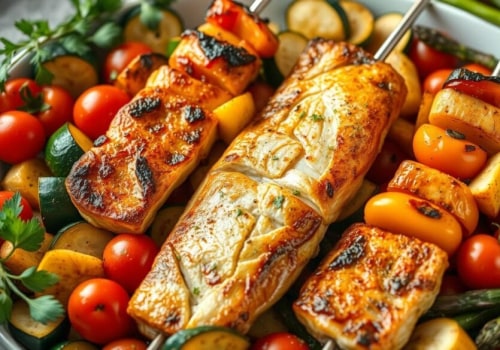
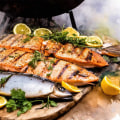
Grilling is a fantastic way to prepare fish, as it adds a smoky flavor while keeping the fish moist. To grill fish gluten-free:- Choose the right fish: Salmon, tilapia, and swordfish are excellent choices for grilling.
- Use gluten-free marinades: Create a marinade using olive oil, lemon juice, garlic, and herbs.
Always check labels to ensure no gluten-containing ingredients are included.
- Preheat your grill: Ensure your grill is hot before placing the fish on it to prevent sticking.
- Use a grill basket: This helps keep delicate fish from falling apart and ensures even cooking.
Baking Fish
Baking is another healthy and simple method for cooking fish. It allows for even cooking and can be paired with various seasonings and vegetables. Here’s how to bake fish gluten-free:- Select your fish: White fish like cod or haddock works well for baking.
- Season generously: Use gluten-free spices and herbs to enhance flavor. Consider adding lemon slices or fresh herbs on top for added zest.
- Bake at the right temperature: Preheat your oven to 375°F (190°C) and bake for about 15-20 minutes, depending on the thickness of the fillet.
Experiment with different seasonings and sides to create a delicious meal that everyone will enjoy!
Step-by-Step Gluten-Free Fish Recipes
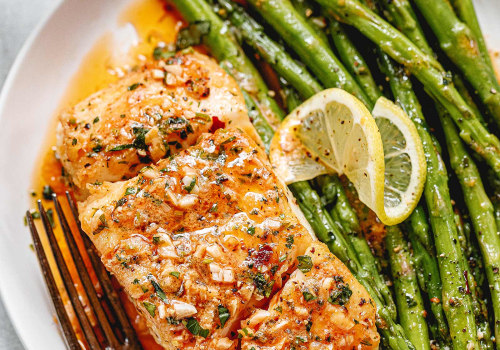
Creating gluten-free fish recipes at home can be both simple and rewarding. Here are two easy and healthy fish dishes that you can prepare in no time.1.Lemon Herb Grilled Salmon
- Ingredients:
- 4 salmon fillets
- 2 tablespoons olive oil
- Juice of 1 lemon
- 2 cloves garlic, minced
- 1 teaspoon dried oregano
- Salt and pepper to taste
- Instructions:
- In a bowl, whisk together olive oil, lemon juice, garlic, oregano, salt, and pepper.
- Place the salmon fillets in a shallow dish and pour the marinade over them. Let it marinate for at least 30 minutes.
- Preheat your grill to medium-high heat. Grill the salmon for about 6-8 minutes on each side or until cooked through.
- Serve with a side of steamed vegetables or a fresh salad.
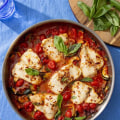
2.Baked Cod with Tomato and Basil
- Ingredients:
- 4 cod fillets
- 1 can (14 oz) diced tomatoes
- 1/4 cup fresh basil, chopped
- 2 tablespoons olive oil
- Salt and pepper to taste
- Instructions:
- Preheat your oven to 375°F (190°C).
- In a baking dish, combine diced tomatoes, basil, olive oil, salt, and pepper.
- Add the cod fillets on top of the tomato mixture.
- Bake for 20-25 minutes or until the fish flakes easily with a fork.
- This dish pairs wonderfully with quinoa or brown rice for a complete meal.
Experiment with different herbs and spices to make these dishes your own!
Tips for Serving and Pairing Gluten-Free Fish Dishes
When it comes to serving gluten-free fish dishes, presentation and pairing can elevate your meal from ordinary to extraordinary. Here are some tips to enhance your dining experience:Serving Suggestions for Fish
- Plating: Use a clean, white plate to make the colors of your fish and sides pop. A sprinkle of fresh herbs or a drizzle of sauce can add visual appeal.
- Garnishes: Fresh lemon wedges, capers, or a light sprinkle of sea salt can enhance the flavor profile of your dish.
- Temperature: Serve your fish hot, right off the grill or pan, to maintain its flaky texture and rich flavors.
Pairing Wine with Fish
Choosing the right wine can complement your gluten-free fish recipes beautifully. Here are some pairing suggestions:- White Wines: Crisp white wines like Sauvignon Blanc or Pinot Grigio work well with lighter fish such as cod or tilapia.
- Rosé: A dry rosé can be a versatile choice, pairing nicely with grilled salmon or tuna.
- Sparking Wines: For a festive touch, consider a sparkling wine like Prosecco, which pairs wonderfully with fried or breaded fish dishes.
Side Dishes for Fish Recipes
The right side dishes can enhance the flavors of your gluten-free fish.Consider these options:
- Vegetable Medleys: Roasted or steamed seasonal vegetables add color and nutrition. Think asparagus, zucchini, or bell peppers.
- Salads: A light salad with mixed greens, cherry tomatoes, and a vinaigrette can provide a refreshing contrast to the richness of the fish.
- Grains: Quinoa or brown rice can serve as hearty sides that are naturally gluten-free and pair well with most fish dishes.
Frequently Asked Questions About Gluten-Free Fish Recipes
When it comes to gluten-free fish recipes, many people have questions about how to ensure their meals are both safe and delicious. Here are some frequently asked questions that can help clarify common concerns:What types of fish are naturally gluten-free?
Most fresh fish, such as salmon, tuna, and tilapia, are naturally gluten-free. However, it's essential to check for any marinades or sauces that may contain gluten.Always opt for fresh or frozen fish without added ingredients.
Can I use breadcrumbs in gluten-free fish recipes?
Yes! You can substitute traditional breadcrumbs with gluten-free breadcrumbs, crushed gluten-free crackers, or even almond flour. These alternatives provide a similar texture and flavor without the gluten.How do I avoid cross-contamination?
- Use separate cooking utensils: Ensure that all tools and surfaces used for preparing gluten-free fish are free from gluten residue.
- Clean your kitchen: Thoroughly clean countertops, cutting boards, and frying pans before preparing gluten-free meals.
- Check labels: Always read ingredient labels on packaged foods to confirm they are gluten-free.
Are there any common sauces or seasonings that contain gluten?
Yes, many sauces and seasonings can contain gluten. For example:- Soy sauce: Traditional soy sauce often contains wheat. Look for gluten-free soy sauce alternatives.
- Marinades: Some pre-made marinades may include gluten.
Always check the label or make your own at home.
- Seasoning blends: Certain spice mixes may have fillers that contain gluten. Opt for pure spices or certified gluten-free blends.
Conclusion: Embracing Gluten-Free Fish Cooking
In conclusion, embracing gluten-free fish cooking opens up a world of delicious possibilities that cater to various dietary needs without sacrificing flavor. Throughout this article, we explored the importance of selecting the right ingredients, such as gluten-free flours and breadcrumbs, which can enhance the texture and taste of your fish dishes.We also discussed various cooking methods that not only preserve the natural flavors of fish but also ensure they remain gluten-free.Techniques like grilling, baking, and pan-searing allow for creativity while keeping your meals healthy and satisfying.
Key Takeaways
- Ingredient Selection: Always check labels for gluten-free certifications when purchasing sauces, marinades, or coatings.
- Cooking Techniques: Experiment with different methods to find what best suits your taste and dietary preferences.
- Flavor Enhancements: Use fresh herbs, spices, and citrus to elevate your fish recipes without relying on gluten-containing ingredients.
Happy cooking!.