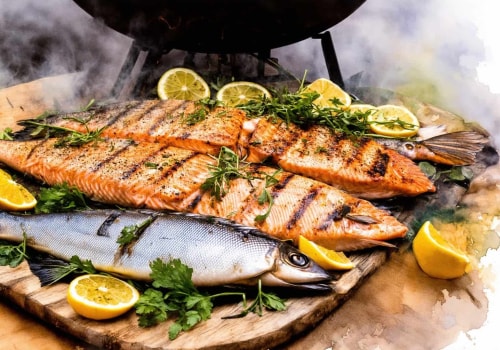
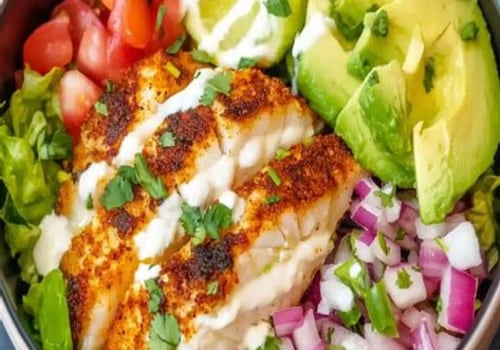
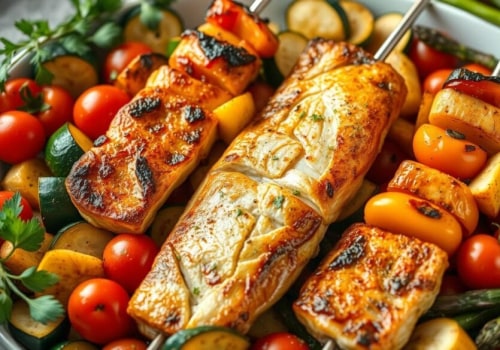
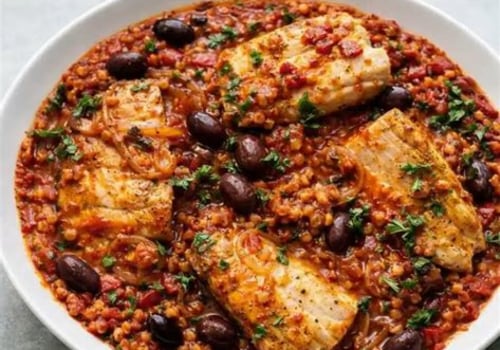
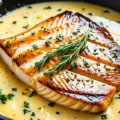
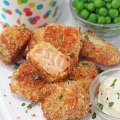
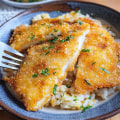
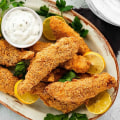
Fish stir-fry is a delightful and versatile dish that has gained immense popularity in home kitchens across the United States. Combining the rich flavors of fresh fish with vibrant vegetables, this cooking method not only enhances the taste but also preserves the nutritional value of the ingredients. Whether you’re a seasoned chef or a novice in the kitchen, easy fish recipes like stir-fry can be prepared in a matter of minutes, making them an ideal choice for busy weeknights. One of the standout benefits of making fish stir-fry at home is its health advantages. Fish is renowned for being a great source of lean protein, omega-3 fatty acids, and essential vitamins.
When paired with colorful vegetables such as bell peppers, broccoli, and snap peas, you create a meal that is not only satisfying but also packed with nutrients. This makes fish stir-fry an excellent option for those looking to maintain a healthy diet without sacrificing flavor. Moreover, the adaptability of fish stir-fry allows you to experiment with various ingredients and sauces, catering to your personal taste preferences. From teriyaki to garlic ginger, the possibilities are endless. By preparing this dish at home, you can control the quality of your ingredients and customize it to suit your dietary needs.
So, if you're ready to explore the world of fish recipes, let’s dive into how you can create a delicious fish stir-fry that will impress your family and friends!
Choosing the Right Fish for Stir-Fry
When it comes to creating a delicious fish stir-fry, the choice of fish is crucial. The right fish can enhance the overall flavor and texture of your dish, making it a delightful experience. Here are some best fish for stir-fry options that you should consider:- Salmon: Known for its rich flavor and buttery texture, salmon holds up well in stir-fries. It cooks quickly and pairs beautifully with a variety of sauces.
- Tilapia: This mild-flavored fish is a versatile option that absorbs flavors well.
Its flaky texture makes it ideal for quick cooking methods like stir-frying.
- Sole: With its delicate taste and tender flesh, sole is perfect for those who prefer a lighter dish. It cooks rapidly and can be enhanced with fresh herbs and spices.
- Cod: Cod has a firm texture that stands up to high heat, making it an excellent choice for stir-frying. Its mild flavor allows it to complement bold sauces.
- Shrimp: While not technically a fish, shrimp is often included in fish recipes due to its quick cooking time and ability to absorb flavors. It adds a delightful crunch to your stir-fry.
Here are some fish selection tips to ensure you choose the best options:
- Check for freshness: Look for clear, bright eyes and shiny skin. Fresh fish should have a mild scent, not a strong fishy odor.
- Ask about sourcing: Inquire whether the fish is wild-caught or farmed. Wild-caught varieties often have better flavor profiles.
- Consider sustainability: Opt for sustainably sourced fish to support responsible fishing practices and protect marine ecosystems.
Essential Ingredients for a Fish Stir-Fry
Creating a delicious fish stir-fry starts with selecting the right ingredients. Here’s a breakdown of essential components that will elevate your dish.Fish Selection
Choosing the right type of fish is crucial.Popular options include:
- Salmon: Rich in flavor and healthy fats.
- Shrimp: Quick-cooking and adds a sweet taste.
- Tilapia: Mild flavor that absorbs sauces well.
- Cod: Flaky texture that pairs nicely with various seasonings.
Vegetables for Stir-Fry
The vegetables you choose can significantly impact the overall taste and texture of your stir-fry. Consider these options:- Bell Peppers: Add color and sweetness.
- Broccoli: Provides crunch and absorbs flavors beautifully.
- Carrots: Their natural sweetness balances savory elements.
- Zucchini: Offers a tender texture and mild flavor.
Sauces and Seasonings
A good stir-fry sauce can make or break your dish. Here are some popular choices:- Soy Sauce: A classic base that adds umami depth.
- Oyster Sauce: Enhances the richness of the dish.
- Sesame Oil: Adds a nutty aroma and flavor.
Step-by-Step Fish Stir-Fry Recipe
Creating a delicious fish stir-fry at home is not only simple but also a great way to enjoy healthy meals.Follow these step-by-step instructions to make your own flavorful dish.
Ingredients
- 1 pound of firm white fish (like cod or tilapia), cut into bite-sized pieces
- 2 tablespoons of vegetable oil
- 1 bell pepper, sliced
- 1 cup of broccoli florets
- 2 cloves of garlic, minced
- 1 tablespoon of soy sauce
- 1 tablespoon of oyster sauce (optional)
- Salt and pepper to taste
- Cooked rice or noodles for serving
Preparation Steps
- Prep the Ingredients: Start by washing and cutting your vegetables. Ensure the fish is thawed if previously frozen and cut into uniform pieces for even cooking.
- Heat the Oil: In a large skillet or wok, heat the vegetable oil over medium-high heat until shimmering.
- Add the Fish: Carefully add the fish pieces to the hot oil. Cook for about 3-4 minutes, turning occasionally until the fish is golden brown and cooked through. Remove the fish from the pan and set aside.
- Sauté the Vegetables: In the same pan, add a bit more oil if necessary, then toss in the garlic, bell pepper, and broccoli.
Stir-fry for about 5 minutes until the vegetables are tender-crisp.
- Add Sauces: Return the cooked fish to the pan. Pour in the soy sauce and oyster sauce (if using). Stir everything together gently to combine and heat through for another 2 minutes.
- Season: Taste and adjust seasoning with salt and pepper as needed.
- Serve: Serve your fish stir-fry over cooked rice or noodles for a complete meal.
Variations on Fish Stir-Fry Recipes
When it comes to fish stir-fry recipes, the possibilities are nearly endless.Different regions around the world offer unique takes on this versatile dish, allowing you to explore a variety of flavors and ingredients. Here are some creative variations to inspire your next culinary adventure.
Asian-Inspired Fish Stir-Fry
For a classic Asian twist, consider using tilapia or snapper. Start by marinating the fish in a mixture of soy sauce, ginger, and garlic. Stir-fry with colorful vegetables like bell peppers, bok choy, and snap peas.Finish with a drizzle of sesame oil and a sprinkle of sesame seeds for added flavor.
Mediterranean Fish Stir-Fry
If you're in the mood for something different, try a Mediterranean-style stir-fry. Use cod or halibut, and sauté with olives, cherry tomatoes, and zucchini. Season with oregano and a splash of lemon juice to brighten the dish. Serve over couscous or quinoa for a hearty meal.Spicy Caribbean Fish Stir-Fry
For those who enjoy heat, a Caribbean-inspired stir-fry can be a delightful option.Use mahi-mahi or swordfish, and incorporate ingredients like bell peppers, onions, and pineapple. Add jerk seasoning for that signature spice and serve with rice or plantains for a complete meal.
Creative Ingredient Swaps
Don't hesitate to experiment with different ingredients! Swap out traditional vegetables for seasonal produce or add nuts like cashews or almonds for crunch. You can also try different sauces such as teriyaki or sweet chili to give your dish a unique flair.By exploring these variations on fish stir-fry recipes, you can create exciting meals that reflect your personal taste while enjoying the health benefits of fish. Whether you prefer bold spices or fresh herbs, there’s a fish stir-fry waiting for you to discover!Common Mistakes to Avoid When Making Fish Stir-Fry
When preparing a delicious fish stir-fry, avoiding common mistakes can make all the difference in achieving a flavorful and perfectly cooked dish.Here are some pitfalls to watch out for:
- Overcooking the Fish: One of the most frequent errors is cooking fish for too long. Fish cooks quickly, and overcooking can lead to a dry, rubbery texture. To prevent this, aim for a cooking time of just a few minutes per side, depending on the thickness of the fillet. The fish should be opaque and flake easily with a fork when done.
- Using the Wrong Type of Fish: Not all fish are suitable for stir-frying.
Choose firm, flaky varieties like salmon, tilapia, or cod that hold up well during high-heat cooking. Avoid delicate fish like sole or flounder, which may fall apart.
- Neglecting to Marinate: A good marinade can enhance the flavor of your fish significantly. Skipping this step can result in bland stir-fry. Consider marinating your fish in a mixture of soy sauce, ginger, and garlic for at least 15-30 minutes before cooking.
- Overcrowding the Pan: When stir-frying, it’s essential to give your ingredients space to cook evenly.
Overcrowding the pan can lead to steaming rather than frying. Cook in batches if necessary to ensure each piece gets that desirable sear.
- Ignoring Vegetable Cooking Times: Different vegetables have varying cooking times. For instance, bell peppers and broccoli take longer to cook than snap peas or spinach. Add vegetables in stages based on their cooking times to ensure everything is perfectly tender yet crisp.
Remember that practice makes perfect; don’t be discouraged by initial setbacks. With each attempt, you’ll refine your technique and create mouthwatering fish recipes that impress family and friends alike.
Frequently Asked Questions About Fish Stir-Fry
When it comes to preparing a delicious fish stir-fry, you may have several questions. Here are some common queries and their answers to help you navigate the cooking process with confidence.What type of fish is best for stir-frying?
For stir-frying, it's ideal to choose fish that are firm and can hold their shape during cooking. Some popular options include:- Salmon - Rich in flavor and healthy fats.
- Tilapia - Mild taste and easy to cook.
- Swordfish - Dense texture that works well in high heat.
- Cod - Flaky and absorbs flavors beautifully.
How do I prevent fish from sticking to the pan?
To avoid sticking, consider these tips:- Use a non-stick skillet or wok.
- Ensure the pan is hot before adding oil.
- Add enough oil to coat the bottom of the pan.
- Avoid overcrowding the pan; cook in batches if necessary.
Can I use frozen fish for stir-fry?
Yes, you can use frozen fish, but it's best to thaw it completely before cooking.This ensures even cooking and prevents excess moisture from making your stir-fry soggy. To thaw, place the fish in the refrigerator overnight or run it under cold water for a quicker option.
What vegetables pair well with fish stir-fry?
A variety of vegetables can enhance your fish recipes. Consider these options:- Bell peppers
- Zucchini
- Broccoli
- Snow peas
- Carrots
How long should I cook the fish?
The cooking time for fish in a stir-fry typically ranges from 3 to 5 minutes, depending on the thickness of the fillets. Always check for doneness; the fish should be opaque and flake easily with a fork.If you have more questions or need further clarification on any aspect of making a fish stir-fry, feel free to explore additional resources or ask experienced cooks for tips!Conclusion: Enjoying Your Homemade Fish Stir-Fry
In conclusion, making a fish stir-fry at home is not only a delightful culinary adventure but also a healthy choice that can easily fit into your weekly meal plan.By incorporating fresh ingredients and your favorite fish, you can create a dish that is both nutritious and satisfying.Throughout this article, we explored various aspects of preparing a delicious fish stir-fry, including:
- Selecting the right fish: Choosing fresh, high-quality fish is crucial for achieving the best flavor and texture.
- Preparing your ingredients: Properly chopping vegetables and marinating the fish can enhance the overall taste of your dish.
- Cooking techniques: Utilizing high heat and quick cooking methods ensures that your fish remains tender while vegetables retain their crunch.
Happy cooking!.