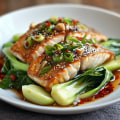
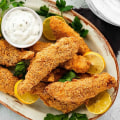
Delicious Fish Recipes Featuring Premium Gourmet Pasta Sauce
There's a quiet revolution happening in home seafood cooking, and most cooks haven't noticed it yet. It has nothing to do with sous-vide, nothing to do with the latest pan, nothing to do with a TikTok technique. It's simpler than that. It's the realisation that a jar of premium gourmet pasta sauce — the small-batch kind, made with San Marzano tomatoes, cold-pressed olive oil and no preservatives — is one of the most powerful shortcuts you can keep in your pantry for fish and seafood dishes.
For years, the home cook's playbook for cooking fish in a sauce went something like this: dice an onion, sweat it in oil, add garlic, deglaze with wine, add tinned tomatoes, simmer for thirty minutes, season carefully, then — finally — slide the fish in. By the time the base was ready you'd already lost the will to plate it nicely. The result was usually fine, sometimes great, often a flatter version of what you'd eat in a good Italian seaside restaurant.
A premium jarred sauce skips all of that. The reduction is done. The acid is balanced. The aromatics are already infused. You warm the jar through, lower in your fish, and you finish a dish in fifteen minutes that tastes as though it took an hour. This isn't a confession of laziness — it's the same logic that makes Italian nonne keep a pot of sugo simmering on the back of the stove all day. The base is the work. Once the base is done, dinner is easy.
This article works through seven fish and seafood recipes built around exactly that principle. Most of them lean on two sauces from the Marry Me Marinara gourmet sauce range — their Puttanesca, which is built for seafood the way few jarred sauces are, and their Alla Vodka, which we'll use for the richer, creamier dishes. Both are vegan, gluten-free, made in small batches, and built on real ingredients. Both turn weeknight fish into something genuinely impressive. Let's get into it.
Why a Premium Pasta Sauce Outperforms a Quick Pan Sauce
Fish has a delicate flavour and an even more delicate texture. The cooking window is narrow — overcook by ninety seconds and the dish is done for. That's exactly why a properly built jarred sauce is such a strong move: the sauce takes the heat of building flavour while the fish gets to cook gently and quickly.
The reasons a premium gourmet pasta sauce outperforms whatever you can throw together in twenty minutes come down to what's already inside the jar:
- A slow-simmered tomato base. A good jar uses San Marzano or plum tomatoes that have already been reduced and concentrated for hours. You cannot replicate that depth in a weeknight pan.
- Built-in acid balance. Carrots, apple juice or a splash of wine soften the tomato's natural sharpness. Fish loves a balanced acid backdrop.
- Real aromatics, fully integrated. Fresh garlic, onions, oregano and basil have already been cooked into the sauce — woven through, not sitting on top.
- Cold-pressed extra virgin olive oil. The fat that carries flavour through the dish. The difference between proper EVOO and seed oil is unmistakable with seafood.
- No added sugar, no preservatives. Fish does not need a candied tomato note fighting against it.
Instead of sweating onions and blooming garlic for half an hour, you spoon a jar into a wide pan, bring it to a gentle simmer, and use it as a poaching, braising or finishing medium. The flavour profile is already correct. Your only job is not to overcook the fish.
The Best Fish and Seafood for a Tomato-Based Sauce
Not every fish belongs in a tomato-based sauce. Here are the varieties that genuinely shine:
- Cod. A flaky white fish with a clean, mild flavour that absorbs sauce beautifully. The classic choice for tomato-based seafood stews.
- Halibut. Firm, meaty, slightly sweet. Handles bolder sauces — particularly puttanesca — exceptionally well.
- Salmon. Rich, oily, full-flavoured. Stands up to creamier sauces like alla vodka without being overpowered.
- Snapper. A Mediterranean staple. Mild, slightly sweet, and pairs naturally with briny, herbaceous sauces.
- Sea Bass. Delicate but flavourful. Best with lighter handling — spoon sauce over it after cooking rather than braising it in the pan.
- Shrimp. Quick to cook, naturally sweet, and one of the great matches for puttanesca and alla vodka alike.
- Clams and Mussels. Steam them open right in the sauce. The shellfish liquor mingles with the tomato base and creates something neither could achieve alone.
- Calamari. Tender if cooked very quickly or very slowly. Sliced rings simmered in puttanesca for ten minutes is a classic Italian preparation.
Heavier sauces want firmer fish. Lighter sauces want flakier fish. Match accordingly and the dish almost cooks itself.
Why Puttanesca Is the Greatest Jarred Sauce for Seafood
If you're going to keep one premium pasta sauce in the pantry specifically for fish, make it puttanesca. The traditional Neapolitan version — built on Kalamata olives, capers, San Marzano tomatoes, garlic and olive oil — is essentially a sauce that was invented to amplify seafood. The brininess of the olives and capers reads like a deeper, slower version of the salinity you'd get from anchovies or fish stock.
Marry Me Puttanesca follows the authentic Neapolitan recipe — no anchovies, naturally vegan, the way the sauce was originally made in Naples before Roman cooks adapted it. The Kalamata olives carry the meaty umami depth that anchovies provide in the Roman version, and the capers do the rest. It's the jar I reach for any time I want a fish dish to taste as though I cooked it on the Amalfi coast rather than in a kitchen at 7pm on a Wednesday.
Puttanesca was, in a sense, invented to amplify seafood. The brine of the olives and capers reads like a deeper version of fish stock.
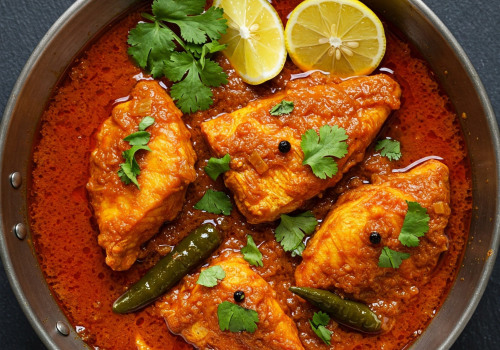
Baked Cod in Puttanesca with Olives and Capers
Ingredients
- 2 cod fillets (~150g / 5oz each), skin off
- 1 jar Marry Me Puttanesca (or ~1½ cups premium puttanesca)
- Small handful cherry tomatoes, halved
- 1 tbsp extra virgin olive oil
- Fresh parsley, chopped
- Lemon wedges, to serve
- Salt and black pepper
Method
- Preheat the oven to 200°C / 400°F.
- Pour the puttanesca into a baking dish large enough to hold the fillets in a single layer. Stir in the halved cherry tomatoes.
- Pat the cod dry, season lightly with salt and pepper, and nestle into the sauce. Drizzle with olive oil.
- Bake for 14–16 minutes, until the cod is opaque and flakes easily. Don't go further — overcooked cod is a tragedy.
- Scatter parsley over the top and serve straight from the dish with lemon wedges and bread.
The olives and capers in the puttanesca break down slightly in the oven and infuse the cod with a savoury depth you would otherwise have to build from scratch with anchovies and stock.
Linguine with Clams and Puttanesca
Ingredients
- 500g (~1lb) fresh clams, scrubbed
- 200g (7oz) linguine
- ~¾ jar Marry Me Puttanesca
- 1 garlic clove, thinly sliced
- 100ml (~⅓ cup) dry white wine
- 2 tbsp extra virgin olive oil
- Pinch of dried chilli flakes
- Fresh parsley, chopped
Method
- Bring salted water to the boil and cook linguine to one minute under package time.
- Warm olive oil in a wide pan. Add garlic and chilli flakes for 30 seconds.
- Tip in clams and wine, cover, steam 3–4 minutes until clams open. Discard any that stay shut.
- Add puttanesca, stir gently to combine with the clam liquor in the pan.
- Drain linguine (reserve a ladle of pasta water), add to pan, toss, finish with parsley.
The shellfish liquor that the clams release is what elevates this from a good pasta dish to a great one. Don't rinse it away.
Pan-Seared Halibut with Puttanesca and White Beans
Ingredients
- 2 halibut fillets (~170g / 6oz each), skin on if possible
- ~¾ jar Marry Me Puttanesca
- 1 tin (400g) cannellini or butter beans, drained
- 1 tbsp extra virgin olive oil, plus more for searing
- Small handful baby spinach
- Lemon zest, to finish
- Salt and black pepper
Method
- Pat halibut very dry — the single most important step for a good sear. Season generously with salt.
- Warm olive oil and beans in a wide pan. Stir in puttanesca, simmer 5 minutes. Wilt spinach in at the end. Keep warm.
- Heat a non-stick pan with a thin film of oil. Lay halibut in skin-side down, press for 10 seconds to stop curling. Cook undisturbed 4 minutes.
- Flip and cook another 2–3 minutes, until just opaque in the centre.
- Spoon beans onto plates, lay halibut on top, finish with lemon zest and a drizzle of olive oil.
Shrimp Puttanesca over Polenta
Ingredients
- 12–16 large raw shrimp, peeled and deveined
- ~⅔ jar Marry Me Puttanesca
- 100g (~½ cup) quick-cooking polenta
- 500ml (~2 cups) water or stock
- 30g butter or vegan butter
- 30g parmesan, grated (optional)
- Olive oil, salt, black pepper
- Fresh basil, to finish
Method
- Bring water/stock to the boil with salt. Whisk polenta in steadily, stir 5–8 minutes until thick. Beat in butter and parmesan, cover.
- Warm olive oil in a wide pan. Sear shrimp in a single layer, 60 seconds per side — they should still be slightly underdone.
- Pour in puttanesca, simmer 2 minutes until shrimp are opaque and cooked through.
- Spoon polenta into bowls, top with shrimp and sauce, tear basil over the top.
This dish is the strongest argument I know for keeping a jar of premium puttanesca in the pantry at all times. The brine of the olives next to the sweetness of the shrimp is a combination that genuinely doesn't need anything else.
Why Alla Vodka Belongs in Your Seafood Repertoire
We've been on Puttanesca for four recipes — all variations of bright, savoury, briny seafood cooking. Now we shift register. There's a second style of Italian seafood cooking that sits at the opposite end of the flavour spectrum: rich, creamy, gently spiced, where the sauce holds the seafood in a velvety embrace rather than punching alongside it. That's where alla vodka comes in.
People associate alla vodka with penne. They shouldn't stop there. The qualities that make it a great pasta sauce — silky texture, gentle warmth, and a deeper tomato flavour than plain marinara — make it a near-perfect match for richer fish like salmon, scallops and shrimp. The vodka in the original recipe isn't there for flavour; it's there as a solvent that unlocks tomato compounds water and oil simply can't reach.
Marry Me Alla Vodka is built with coconut cream rather than dairy, which is the single best thing that has happened to alla vodka sauce in years. The texture is identical to a heavy-cream version — silky, coating, indulgent — but with a cleaner finish that lets seafood flavours come through rather than being smothered. The Calabrian peppers add a gentle 3-out-of-10 warmth that flatters salmon and shrimp particularly well.
Salmon Alla Vodka with Penne
Ingredients
- 2 salmon fillets (~150g / 5oz each)
- 1 jar Marry Me Alla Vodka
- 200g (7oz) penne or rigatoni
- 1 tbsp olive oil
- Fresh basil, torn
- Black pepper
Method
- Cook pasta to al dente. Reserve ½ cup pasta water before draining.
- Pat salmon dry, season with salt. Sear skin-side down in olive oil for 4 minutes without moving. Flip and cook 2 more minutes. Set aside.
- In the same pan, lower the heat. Pour in alla vodka and warm gently for 3–4 minutes — don't boil hard, the coconut cream prefers a gentle simmer.
- Tip drained pasta into the sauce, toss to coat, splash in pasta water if tight.
- Serve pasta in bowls with salmon fillet on top, basil torn over, generous black pepper.
Don't flake the salmon into the sauce. Keep the fillet whole on top — the contrast of the creamy pasta against a properly seared piece of fish is what makes the dish look like restaurant work.
Alla Vodka Shrimp Linguine
Ingredients
- 250g (~½ lb) raw shrimp, peeled and deveined
- 1 jar Marry Me Alla Vodka
- 200g (7oz) linguine
- 1 garlic clove, thinly sliced
- 1 tbsp olive oil
- Fresh basil and grated parmesan, to finish
- Salt, black pepper
Method
- Cook linguine in salted water to one minute under al dente. Reserve ½ cup pasta water.
- Warm olive oil with garlic in a wide pan, 30 seconds. Add shrimp in a single layer, salt lightly, cook 1 minute per side — slightly underdone.
- Pour in alla vodka, stir gently, simmer 2 minutes. Shrimp will finish cooking in the sauce.
- Add drained linguine, toss together, splash in pasta water if needed.
- Finish with torn basil, parmesan and black pepper.
Seared Scallops with Alla Vodka Risotto
Ingredients
- 6 large scallops, patted very dry
- ~¾ jar Marry Me Alla Vodka
- 200g (1 cup) arborio rice
- 1 small shallot, finely diced
- 800ml (~3½ cups) hot vegetable or fish stock
- 60ml (¼ cup) dry white wine
- 30g butter, plus more for searing
- 30g parmesan, grated (optional)
- Olive oil
- Lemon zest and chopped chives
Method
- Soften shallot in olive oil over medium-low heat for 4 minutes, no colour.
- Add rice, stir 1 minute until coated. Pour in wine, let bubble away.
- Add hot stock one ladle at a time, stirring frequently, only adding the next when previous is absorbed. Continue 16–18 minutes until al dente.
- Stir in alla vodka, butter and parmesan off the heat. Should be creamy and just-loose. Cover and rest.
- Heat non-stick pan with butter and oil over high heat. Lay scallops in with space between them. Don't move. Cook exactly 90 seconds, flip, cook 60 seconds more.
- Spoon risotto into bowls, top with three scallops each, finish with lemon zest, chives, cracked pepper.
How to Choose a Premium Pasta Sauce That Earns the Name
There's a lot of jarred sauce on the supermarket shelf calling itself premium, gourmet or artisan. Most of it isn't. A real premium gourmet pasta sauce earns the name on the ingredient list, not the label. Here's how to read a jar properly:
- Tomatoes first, and named. San Marzano, plum or vine-ripened tomatoes should head the ingredient list. If the first ingredient is "tomato puree" or "water," put it back.
- Real olive oil, not seed oil. Cold-pressed extra virgin olive oil is the standard. Sunflower, canola or "vegetable oil" signals a sauce built down to a price.
- No added sugar. A balanced sauce uses carrots, apple juice or a splash of wine. Sugar is a shortcut.
- No preservatives. A properly cooked, properly jarred sauce doesn't need them.
- A short ingredient list. Most great Italian sauces have fewer than ten ingredients.
- Small-batch, named origin. A jar that tells you where it was made is almost always better than something produced in industrial volumes.
The two sauces we've used throughout this article — both from the Marry Me Marinara gourmet sauce range — meet every one of those criteria. They're what a premium pasta sauce should look like, built specifically with the home cook who cares about ingredients in mind.
Frequently Asked Questions
Can I really use jarred pasta sauce as a base for fish recipes?
Yes — and arguably better than building a base from scratch on a weeknight. A premium sauce has been simmered for far longer than you can simmer one at home. As long as the sauce itself is high quality, it will give you a finished flavour base in minutes. The only rule: don't boil delicate fish in it. Bring the sauce to a gentle simmer and lower the fish in.
Which is better for fish — puttanesca or alla vodka?
Different jobs. Puttanesca is the natural choice for traditional Italian seafood cooking — cod, halibut, clams, calamari, snapper. Alla vodka is the choice for richer, fattier fish like salmon, or for shrimp and scallops where you want a creamy, silky finish. If you can keep both jars in the pantry, you can handle almost any seafood dinner.
Do I need to add anything to a jarred pasta sauce when cooking fish?
A premium sauce doesn't need much. A drizzle of fresh olive oil at the end, a squeeze of lemon, fresh herbs — that's about it. The temptation to "improve" a good sauce by piling in extra garlic and seasoning is usually a mistake.
What pasta should I serve with fish in pasta sauce?
For seafood dishes, long pasta — linguine, spaghetti, pappardelle — almost always wins. The strands tangle with the sauce and any flaked fish more elegantly than tubes. The exception is shrimp or chunky shellfish dishes, where penne or rigatoni hold up well. Avoid angel hair: too thin for a rich sauce.
Can I freeze fish dishes made with pasta sauce?
The sauce freezes beautifully on its own. The fish almost never does — texturally, fish doesn't like the freezer once cooked. The smarter move is to freeze leftover sauce after cooking the dish and cook fresh fish into it next time.
Are these recipes suitable for vegan and gluten-free diets?
Both Marry Me Puttanesca and Marry Me Alla Vodka are naturally vegan, gluten-free, dairy-free and made without added sugar. Substitute vegan butter and parmesan where used, and check the pasta packet for gluten-free if needed.
Stop Building Bases from Scratch
Here's the honest truth. Most home cooks already know how to cook a piece of fish — they know how long cod takes in a hot oven, how to sear a salmon fillet, how to cook a shrimp. What they get stuck on is the sauce. The sauce is the part that takes thirty minutes to build, the part where most weeknight seafood dinners fall apart into something flat and underdeveloped.
That problem is solved. A jar of properly made premium gourmet pasta sauce — a sauce with the right tomatoes, the right oil, the right aromatics, the right balance — is a fully built base sitting in your pantry. Use it as a base, not just as a pasta topping. Bake fish in it. Steam clams in it. Spoon it onto risotto. Toss it with shrimp.
The two sauces we've worked with throughout this guide — Marry Me Puttanesca and Marry Me Alla Vodka — happen to be excellent for seafood, but the principle is bigger than any one brand. Buy the best jar you can. Read the ingredient list before you read the price. Treat the sauce as the base of a meal, not the topping. The fish will thank you.
If you enjoyed this approach, you might also like our guide to delicious fish recipes featuring pesto sauce, our delicious fish and pasta recipes to savor, or our delicious one-pot fish recipes for easy cooking.