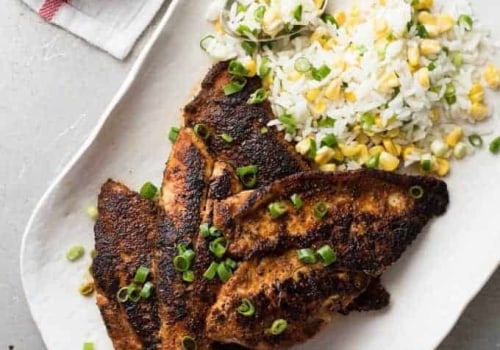
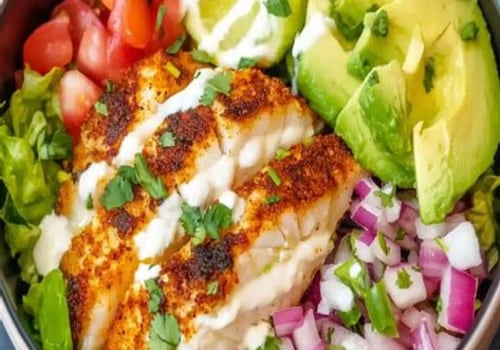
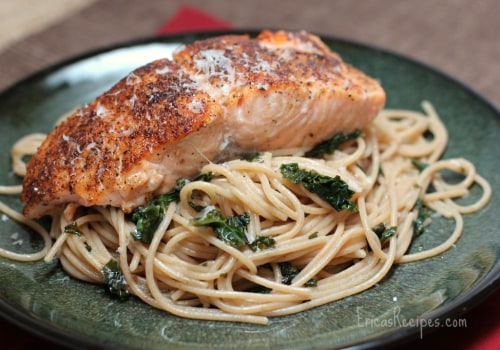
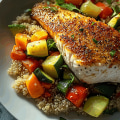
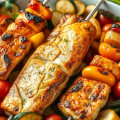
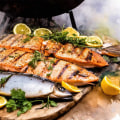
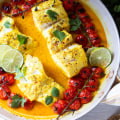
Fried fish is a beloved dish that transcends cultures and cuisines, celebrated for its crispy texture and flavorful taste. Whether enjoyed at a seaside shack or prepared in the comfort of your own kitchen, the allure of perfectly fried fish is undeniable. The beauty of making fried fish at home lies not only in the satisfaction of crafting a delicious meal but also in the ability to customize it to your personal taste. With the right techniques and ingredients, you can achieve that golden-brown crust that makes fried fish so irresistible. Understanding the basics of frying fish is essential for anyone looking to master this culinary art.
The choice of fish is crucial; varieties like cod, tilapia, or catfish are popular due to their mild flavors and firm textures. Equally important is the batter or coating used, which can range from a simple seasoned flour to a more elaborate beer batter. Each method brings its own unique crunch and flavor profile, enhancing the overall experience of your dish. Moreover, the cooking technique plays a significant role in achieving that perfect fry. From deep frying to pan frying, each method has its nuances that can affect the final outcome.
Temperature control is vital; too hot, and you risk burning the outside while leaving the inside undercooked; too cool, and you’ll end up with soggy fish. By mastering these fundamentals, you set yourself up for success in creating mouthwatering fish recipes that will impress family and friends alike.
Choosing the Right Fish for Frying
When it comes to fish recipes, selecting the right type of fish is crucial for achieving that perfect crispy fried texture. Not all fish are created equal, and some varieties lend themselves better to frying than others.Best Fish for Frying
Here are some of the best options:- Cod: Known for its mild flavor and flaky texture, cod is a popular choice for frying. Its firm flesh holds up well in hot oil.
- Haddock: Similar to cod, haddock has a slightly sweeter taste and is often used in traditional fish and chips.
- Tilapia: This versatile fish has a mild flavor and is widely available.
It fries up nicely, making it a great option for home cooks.
- Catfish: With its unique flavor and firm texture, catfish is a Southern favorite that crisps beautifully when fried.
- Sole: A delicate fish, sole can be fried quickly for a light and crispy meal, perfect for those who prefer a more subtle taste.
Types of Fish Recipes
Each type of fish can be prepared in various ways, from simple breading to elaborate marinades. Here are some popular fish recipes you might consider:- Battered Fish: A classic method where the fish is dipped in a batter before frying, resulting in a crunchy exterior.
- Breaded Fish: Coating the fish in breadcrumbs or cornmeal adds texture and flavor, making it a favorite among many.
- Spiced Fish: Marinating the fish with spices before frying can enhance its flavor profile significantly.
Fish Selection Tips
When choosing fish for frying, consider the following tips:- Freshness: Always opt for the freshest fish available. Look for clear eyes, bright red gills, and firm flesh.
- Sustainability: Check local guidelines or certifications to ensure you're choosing sustainable options.
- Skin-on vs. Skin-off: Leaving the skin on can add extra crispiness and flavor during frying.
Essential Ingredients for Crispy Fried Fish
To achieve the perfect crispy fried fish, selecting the right ingredients is crucial.The combination of fresh fish, a well-crafted batter, and flavorful seasonings will elevate your dish to restaurant-quality.
Key Ingredients for the Batter
- Fish: Choose firm white fish such as cod, haddock, or tilapia. Freshness is key; look for clear eyes and a mild scent.
- Flour: All-purpose flour is commonly used, but for an extra crunch, consider mixing in some cornstarch or rice flour. These alternatives help create a lighter, crispier texture.
- Baking Powder: Adding a teaspoon of baking powder to your flour mixture can help the batter puff up and become airy when fried.
- Liquid: Use cold sparkling water or beer for the batter. The carbonation helps create a light and crispy coating.
Seasoning for Flavor
The seasoning you choose can make or break your fried fish.Here are some essential spices to consider:
- Salt: A must-have for enhancing flavor. Use kosher salt for even distribution.
- Paprika: Adds a subtle smokiness and vibrant color to your batter.
- Cayenne Pepper: For those who enjoy a bit of heat, a pinch of cayenne can elevate the flavor profile.
Preparing Your Fish: Cleaning and Marinating
To achieve the perfect crispy fried fish, the first step is to ensure your fish is properly cleaned and marinated.This not only enhances the flavor but also contributes to the overall texture of the dish.
How to Clean Fish
Cleaning fish may seem daunting, but with a few simple steps, you can do it efficiently:- Scale the Fish: Use a fish scaler or the back of a knife to remove the scales. Start from the tail and move towards the head, rinsing under cold water as you go.
- Gut the Fish: Make a small incision along the belly and carefully remove the internal organs. Be sure to discard everything properly.
- Rinse Thoroughly: After gutting, rinse the fish inside and out under cold running water to remove any remaining blood or debris.
- Pat Dry: Use paper towels to pat the fish dry. This step is crucial for achieving that crispy texture when frying.
Marinating Fish
Once your fish is clean, marinating it can significantly enhance its flavor.Here are some tips for effective marination:
- Choose Your Marinade: A simple marinade can include ingredients like lemon juice, garlic, herbs, and spices. For a more robust flavor, consider using soy sauce or a spicy marinade.
- Time It Right: Marinate your fish for at least 30 minutes but no longer than 2 hours. Over-marinating can lead to a mushy texture.
- Keep It Cool: Always marinate in the refrigerator to prevent any bacterial growth.
The Perfect Batter: Techniques for Crispiness
Achieving a crispy fried fish starts with the right batter.The batter not only coats the fish but also creates that satisfying crunch we all crave. Here are some techniques and recipes to help you master the art of frying.
Basic Batter Recipe
A simple batter can be made using just a few ingredients:- 1 cup all-purpose flour
- 1 teaspoon baking powder
- 1 cup cold sparkling water
- Salt and pepper to taste
Variations for Extra Crispiness
To elevate your batter, consider these variations:- Cornstarch Addition: Substitute half of the flour with cornstarch for an even crispier texture.
- Beer Batter: Replace the sparkling water with beer for a richer flavor and crunch.
- Seasoned Batter: Add spices like paprika, garlic powder, or cayenne pepper to enhance flavor.
Frying Techniques
The way you fry your fish is just as important as the batter.Here are some tips:
- Temperature Control: Ensure your oil is hot enough (around 350°F) before adding the fish. This prevents the batter from absorbing too much oil.
- Batter Coating: Dip the fish in the batter just before frying to keep it fresh and crispy.
- Don’t Overcrowd: Fry in small batches to maintain oil temperature and ensure even cooking.
Frying Techniques: Achieving Golden Perfection
To achieve that perfect crispy fried fish, understanding the right frying techniques is crucial. The method you choose can significantly impact the texture and flavor of your dish.Here are some essential tips to help you master the art of frying fish at home.
Frying Methods
There are several methods for frying fish, each yielding different results:- Deep Frying: This method involves submerging the fish completely in hot oil. It creates a crispy exterior while keeping the inside moist. Ideal for battered or breaded fish.
- Pan Frying: In this technique, you use less oil and cook the fish in a skillet. It’s perfect for fillets and allows for a more controlled cooking process.
- Shallow Frying: Similar to pan frying but with slightly more oil, shallow frying is great for achieving a golden crust without using too much oil.
Oil Temperature for Frying
The temperature of the oil is one of the most critical factors in frying fish.If the oil is too cold, the fish will absorb excess oil and become greasy. If it’s too hot, the outside may burn before the inside cooks through. Aim for an oil temperature between 350°F and 375°F. You can use a thermometer to check the temperature or test it by dropping a small piece of batter into the oil; if it sizzles and rises to the surface, it’s ready.
Frying Tips
Here are some additional tips to ensure your fried fish turns out perfectly:- Pat Dry: Before frying, make sure to pat your fish dry with paper towels.
This helps achieve a better sear and prevents excess moisture from causing splattering.
- Breading Techniques: For an extra crispy coating, consider double-breading your fish. Dip it in flour, then egg wash, and finally coat it with breadcrumbs or cornmeal.
- Crowding the Pan: Avoid overcrowding your frying pan as this can lower the oil temperature and lead to uneven cooking. Fry in batches if necessary.
Serving Suggestions and Accompaniments
When it comes to serving fried fish, the right accompaniments can elevate your meal from good to unforgettable. Here are some delicious side dishes and sauces that pair perfectly with your crispy fried fish.Side Dishes for Fried Fish
- Coleslaw: A classic pairing, coleslaw adds a refreshing crunch that complements the crispy texture of fried fish.
The tangy dressing balances the richness of the fish.
- French Fries: You can never go wrong with golden, crispy French fries. They are a traditional side that pairs well with any fried dish.
- Rice Pilaf: For a lighter option, consider serving your fried fish with a flavorful rice pilaf. The subtle spices in the rice enhance the overall taste without overpowering the fish.
- Grilled Vegetables: A medley of grilled vegetables adds color and nutrition to your plate. Zucchini, bell peppers, and asparagus are excellent choices.
- Corn on the Cob: Sweet corn on the cob is a delightful summer side that pairs beautifully with fried fish, adding a touch of sweetness to your meal.
Sauces for Fish Recipes
The right sauce can make all the difference in enhancing the flavors of your fried fish.Here are some popular options:
- Tartar Sauce: This classic sauce made from mayonnaise, pickles, and lemon juice is a must-have for fried fish lovers.
- Remoulade: A zesty remoulade sauce adds a kick to your dish. It typically includes ingredients like mustard, capers, and herbs.
- Lemon Butter Sauce: A simple lemon butter sauce drizzled over fried fish brings brightness and richness to each bite.
- Sriracha Aioli: For those who enjoy a bit of heat, a sriracha aioli offers a creamy texture with a spicy kick that pairs wonderfully with crispy fish.
Common Mistakes to Avoid When Frying Fish
Frying fish can be a delightful culinary experience, but several common mistakes can lead to disappointing results. Here are some frequent errors and how to avoid them:- Using the Wrong Oil: Not all oils are created equal.
Choose oils with high smoke points, such as canola or peanut oil, to prevent burning and imparting off-flavors.
- Overcrowding the Pan: Placing too many pieces of fish in the pan at once can lower the oil temperature, resulting in soggy fish. Fry in batches to maintain a consistent temperature.
- Not Patting Dry: Moisture is the enemy of crispiness. Always pat your fish dry with paper towels before coating it in batter or breadcrumbs.
- Skipping the Breading: A good breading not only adds flavor but also creates a barrier that helps keep moisture in the fish while allowing it to crisp up. Don’t skip this step!
- Incorrect Temperature: Frying at too low a temperature can lead to greasy fish.
Use a thermometer to ensure your oil is between 350°F and 375°F for optimal frying.
- Use a Wire Rack: After frying, place your fish on a wire rack instead of paper towels. This allows air circulation and prevents steam from making the bottom soggy.
- Let It Rest: Allowing your fried fish to rest for a few minutes before serving can help maintain its crispiness.
Conclusion: Mastering Your Crispy Fried Fish Recipe at Home
In conclusion, mastering your crispy fried fish recipe at home is not just about following a set of instructions; it’s about understanding the nuances of technique and ingredient selection. By focusing on the quality of your fish, choosing the right batter, and perfecting your frying method, you can achieve that delightful crunch that makes fried fish so irresistible.Key Takeaways:
- Fish Selection: Opt for fresh, firm fish like cod, haddock, or tilapia. The freshness of the fish significantly impacts the final taste and texture.
- Batter Matters: Experiment with different batters—whether it’s a classic beer batter or a gluten-free option.
The right batter not only adds flavor but also contributes to that coveted crispiness.
- Temperature Control: Maintaining the right oil temperature is crucial. Too hot, and the outside burns before the inside cooks; too cool, and you’ll end up with greasy fish. Aim for around 350°F (175°C) for optimal frying.
- Drain Properly: After frying, let your fish drain on paper towels to remove excess oil. This step is essential for keeping your fried fish crispy.
Remember, practice makes perfect—so don’t hesitate to try different variations until you find your signature style. Happy frying!.